Hip dysplasia is a common and often debilitating condition affecting many dogs, particularly larger breeds. This congenital disorder leads to the improper formation of the hip joint, causing pain, reduced mobility, and eventually arthritis. Physical therapy for dogs with hip dysplasia has emerged as a vital treatment option, providing non-invasive solutions to manage pain, improve mobility, and enhance the overall quality of life for affected dogs.
Understanding Hip Dysplasia in Dogs
Hip dysplasia occurs when the ball and socket of the hip joint do not fit together properly. Instead of moving smoothly, the joint grinds and causes deterioration over time. This condition can affect dogs of all ages but is particularly prevalent in breeds like German Shepherds, Labradors, and Golden Retrievers. Factors such as genetics, rapid growth, improper nutrition, and obesity can contribute to the development of hip dysplasia.
 Symptoms of Hip Dysplasia
Recognizing the symptoms of hip dysplasia early can significantly improve the management and treatment of the condition. Common signs include:
- Lameness: Difficulty walking, running, or climbing stairs.
- Stiffness: Noticeable especially after rest or during cold weather.
- Pain: Discomfort when the hip area is touched.
- Reduced Activity: Decreased interest in physical activities and play.
- Bunny Hopping: A gait where both hind legs move together rather than alternately.
The Role of Physical Therapy
Physical therapy for dogs with hip dysplasia focuses on alleviating pain, improving joint function, and enhancing overall mobility. A comprehensive therapy plan often includes a combination of therapeutic exercises, manual therapy, hydrotherapy, and advanced treatments like laser therapy. These interventions work together to strengthen muscles, support joints, and reduce discomfort.
Therapeutic Exercises
Therapeutic exercises are designed to improve muscle strength, enhance joint stability, and increase range of motion. Examples include:
- Controlled Walking: Gradual, controlled walks to strengthen muscles without overstressing the joints.
- Sit-to-Stand Movements: Encouraging the dog to sit and stand repeatedly helps build muscle strength around the hip joint.
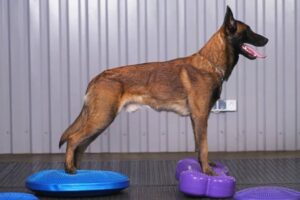
- Balance Exercises: Using wobble boards or stability balls to improve coordination and joint stability.
Manual Therapy
Manual therapy involves hands-on techniques such as massage, stretching, and joint mobilization. These techniques help reduce muscle tension, improve blood circulation, and enhance flexibility. Regular manual therapy sessions can alleviate pain and stiffness, promoting better movement and comfort for dogs with hip dysplasia.
Hydrotherapy
Hydrotherapy, or water-based exercise, is particularly beneficial for dogs with hip dysplasia. The buoyancy of water reduces the weight-bearing strain on joints, allowing dogs to exercise without causing additional pain. Swimming and underwater treadmill sessions are excellent forms of hydrotherapy that enhance muscle strength, improve cardiovascular fitness, and increase joint range of motion.
Laser Therapy
Laser therapy for dogs with hip dysplasia has become a popular and effective treatment modality. This non-invasive therapy uses low-level lasers to penetrate tissues, stimulating cellular activity and promoting healing. The benefits of laser therapy include:
- Pain Relief: Reducing inflammation and pain, providing significant relief for dogs suffering from hip dysplasia.
- Enhanced Healing: Stimulating cellular repair and regeneration to accelerate the healing process of damaged tissues.
- Improved Mobility: Regular laser therapy sessions can improve joint function and flexibility, allowing dogs to move more comfortably.
- Non-Invasive and Painless: Laser therapy is a gentle, pain-free treatment that does not require sedation or anesthesia.
Creating a Comprehensive Therapy Plan
A tailored physical therapy plan is essential for addressing the specific needs of each dog with hip dysplasia. The first step is a thorough assessment by a veterinarian or a certified canine rehabilitation therapist. This assessment will determine the severity of the condition and the most appropriate therapeutic interventions.
Combining various therapies often yields the best results. For instance, a therapy plan might include regular hydrotherapy sessions, therapeutic exercises, manual therapy, and laser therapy for dogs with hip dysplasia. This comprehensive approach addresses multiple aspects of the condition, ensuring a holistic and effective treatment strategy.
Home Care and Lifestyle Adjustments
In addition to professional therapy sessions, incorporating home care and lifestyle adjustments is crucial. Maintaining a healthy weight, providing a balanced diet, and ensuring a comfortable living environment with supportive bedding can significantly impact a dog’s well-being. Pet owners should also be diligent about administering any prescribed medications and supplements that support joint health.
Conclusion
Physical therapy for dogs with hip dysplasia offers a lifeline for dogs struggling with this painful condition. Through a combination of therapeutic exercises, manual therapy, hydrotherapy, and innovative treatments like laser therapy, significant improvements in mobility and quality of life are achievable. Early intervention, a tailored therapy plan, and ongoing care are key to managing hip dysplasia effectively, allowing dogs to enjoy a more active and pain-free life. As always, consulting with a veterinarian or a certified canine rehabilitation therapist is essential to develop the most suitable treatment plan for your furry friend.