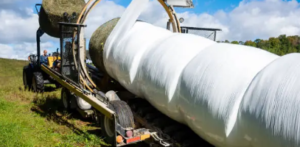
 Silage wrap is a crucial agricultural product used extensively across Australia to ensure high-quality forage preservation for livestock. As farmers and agricultural businesses seek to optimise their feed storage and minimise spoilage, the demand for durable, efficient silage wrap continues to grow. Whether you’re a small-scale farmer or managing a large agricultural enterprise, understanding the benefits, types, and best practices of using silage wrap can significantly impact your farming operations. For more information about the silage wrap, click here.
Silage wrap technology continues to evolve, offering improved durability and efficiency for Australian farmers. Innovations in UV protection, stretchability, and puncture resistance are enhancing the longevity of stored forage. Farmers should stay informed about the latest advancements and consider trialling new products to find the best silage wrap for their specific needs.
What is Silage Wrap?
Silage wrap is a specialised plastic film used to wrap and seal forage, such as grass, maise, and legumes, to create silage. The wrap acts as a barrier against oxygen, creating an anaerobic environment that promotes fermentation and preserves the nutritional value of the feed. By preventing spoilage and maintaining moisture levels, silage wrap ensures that livestock have access to high-quality feed throughout the year, especially during dry seasons.
Benefits of Using Silage Wrap
Improved Forage Quality
Silage wrap helps maintain the nutritional integrity of forage by preventing exposure to oxygen, which can lead to mould growth and nutrient loss. Properly wrapped silage retains essential proteins, carbohydrates, and vitamins necessary for livestock health.
Reduction in Waste and Spoilage
Unprotected forage is prone to weather damage, microbial contamination, and decay. Using high-quality silage wrap minimises spoilage, reduces feed waste, and maximises farm efficiency.
Cost-Effective Feed Storage
Investing in silage wrap reduces reliance on expensive commercial feed by allowing farmers to store and utilise homegrown forage. It results in significant cost savings and enhances sustainability in farm management.
Enhanced Convenience and Flexibility
Silage wrapped in bales can be stored more easily and transported efficiently than silage pits. This flexibility benefits farmers by enabling them to manage their feed supply more effectively.
Types of Silage Wrap Available in Australia
Standard Black or White Silage Wrap
Black and white silage wraps are widely used due to their ability to regulate temperature. White wrap reflects sunlight, reducing internal heat and preventing excessive fermentation, while black wrap absorbs heat, which can be beneficial in cooler climates.
Multi-Layered Silage Wrap
Modern silage wraps often feature multiple layers, offering superior strength, puncture resistance, and airtight sealing. These wraps provide enhanced durability and protection against harsh weather conditions.
Biodegradable and Eco-Friendly Silage Wrap
As sustainability becomes a priority in Australian agriculture, biodegradable silage wraps are gaining popularity. These environmentally friendly options reduce plastic waste and offer a more sustainable approach to forage preservation.
Best Practices for Using Silage Wrap
Use High-Quality Wrap
Selecting a premium-grade silage wrap ensures optimal forage preservation. Cheaper, low-quality wraps may tear easily and compromise the fermentation process.
Proper Wrapping Technique
Ensure that the forage is tightly wrapped with multiple layers (typically 4 to 6) to create an airtight seal. Overlapping each layer by at least 50% enhances protection against oxygen infiltration.
Store Bales in a Suitable Location
Place wrapped bales on a dry, flat surface away from sharp objects and potential pests. Using a protective underlay or storing bales on pallets can prevent punctures and extend the lifespan of the silage wrap.
Regularly Inspect for Damage
Check wrapped bales frequently for holes or tears. If damage occurs, patch it immediately using specialised silage tape to prevent air from entering and spoiling the forage.
Dispose of Used Wrap Responsibly
After use, silage wrap is collected and recycled through designated agricultural recycling programs. Many companies in Australia offer recycling services to help farmers manage plastic waste effectively.
Conclusion:
Silage wrap is an indispensable tool for Australian farmers looking to preserve high-quality forage efficiently. By choosing the right type of silage wrap, following best practices, and sourcing from reliable suppliers, farmers can ensure optimal feed quality, reduce waste, and enhance the sustainability of their operations. As the industry advances, embracing eco-friendly solutions will play a crucial role in shaping the future of forage preservation in Australia.