In the rugged and sun-drenched landscapes of Australia, proper forage storage is not just a best practice—it’s a necessity. Silage covers play a crucial role in protecting feed from the elements, especially in the country’s notoriously harsh ultraviolet (UV) radiation environment. For Australian farmers aiming to safeguard forage quality, understanding the importance of UV resistance in silage covers is key to long-term feed preservation and farm efficiency.
The Unique UV Challenge in Australia
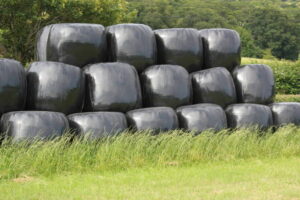
Australia experiences some of the highest UV radiation levels in the world. Factors such as its proximity to the equator, relatively straightforward atmosphere, and low ozone concentration combine to intensify sun exposure throughout the year. This means that materials left outdoors—especially plastics—deteriorate far more rapidly than in other regions.
Silage covers exposed to intense UV rays can degrade rapidly, leading to cracking, brittleness, and eventual failure. When this happens, air and water penetrate the silage, sparking spoilage, mould growth, and nutrient loss. Forage that’s been months in the making can be compromised in just days. That’s why UV resistance is not a nice-to-have—it’s essential when choosing silage covers for Australian farms.
What Makes a Silage Cover UV-Resistant?
UV resistance in silage covers depends on the material composition and the presence of stabilising additives. High-quality covers are typically made from polyethylene films reinforced with UV stabilisers that absorb or block damaging rays. These additives are designed to extend the lifespan of the plastic even under extreme sun exposure.
Additionally, multilayer construction is often used. The top layer may include carbon black or white reflective coatings to deflect sunlight, while the inner layers are engineered to maintain their strength and flexibility over time. When selecting covers for Australian conditions, look for those rated for at least 12–18 months of UV exposure, as they’re more likely to survive and perform during long storage periods.
Performance Benefits of UV-Stabilised Silage Covers
Opting for UV-resistant silage covers brings measurable benefits to your operation. Most importantly, they preserve the integrity of your silage stack or pit. A reliable cover forms a tight, oxygen-limiting seal that maintains the anaerobic environment essential for proper fermentation. This results in high-quality forage with better digestibility, more retained nutrients, and less spoilage.
Durable covers also reduce the need for mid-season patching or full replacement, saving both time and money. In areas like northern Queensland or central NSW, where feed is often stored for long periods during dry seasons, UV stability ensures silage stays protected until it’s needed. Better cover performance translates directly into less waste and greater feed value per tonne.
How to Evaluate UV Resistance in Covers
When assessing silage covers, check the product specifications for UV exposure ratings. Some manufacturers indicate a cover’s resistance in terms of months of exposure, while others use test standards such as ASTM or ISO ratings. Ask suppliers if the product has been field-tested in Australian or comparable climates. Imported covers, designed for European or North American conditions, may not withstand the more extreme Australian sun.
Also, be aware of warranty periods. A more extended warranty often reflects greater confidence in UV durability. Consider dual-layer or oxygen-barrier covers as well—these not only boost UV resistance but also provide superior airtight sealing.
Tips for Maximising UV Protection
Even the best silage covers benefit from correct handling and installation. Avoid dragging covers over rough surfaces, which can weaken the material. Secure the cover with UV-stable weights, tyres, or gravel bags to prevent flapping or shifting in wind, both of which expose the silage to air and light. Where possible, supplement with an underlay or vacuum film to reduce trapped air beneath the cover, further limiting spoilage.
Additionally, store unused covers out of direct sunlight, preferably in a shaded shed or under a tarp. Prolonged sun exposure before use can degrade them before they’re even applied.
Investing in Long-Term Protection
In the Australian context, investing in UV-resistant silage covers is a strategic decision, not just a seasonal purchase. The financial implications of silage spoilage—from feed loss to animal health impacts—can be significant. High-performance covers might cost more upfront, but they pay off in durability, reduced waste, and better feed quality.
Australia’s agricultural landscape demands materials that can endure, especially in exposed and sun-intense paddocks. Choosing UV-stabilised covers tailored for these conditions ensures your forage stays protected, your animals stay nourished, and your business remains profitable.
Conclusion
UV resistance isn’t just a technical feature—it’s a frontline defence against the uniquely harsh Australian sun. For farmers looking to maximise forage value and minimise spoilage risk, selecting the right silage covers with proven UV durability is crucial. When you’re working in one of the sunniest countries on earth, every layer of protection counts.