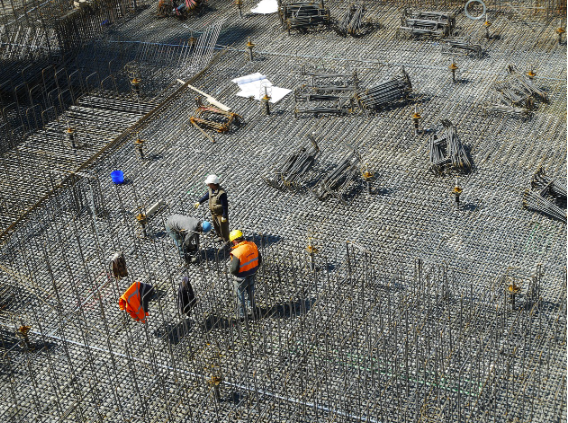
The construction landscape in Melbourne is undergoing a remarkable transformation, driven by rapid technological advancements that are redefining how projects are planned, executed, and managed. From digital collaboration platforms to advanced project analytics, construction companies Melbourne are embracing technology to improve efficiency, reduce costs, and enhance project delivery. As the city continues to experience steady growth in infrastructure and urban development, innovation has become a key differentiator for firms aiming to stay competitive in a demanding market.
The Digital Revolution in Construction Management
Technology has moved construction management far beyond spreadsheets and paper blueprints. Today, Melbourne’s builders and contractors are using cloud-based project management tools that centralise communication, documentation, and scheduling. Platforms such as Procore, Autodesk Construction Cloud, and Buildertrend enable teams to share real-time updates with multiple stakeholders — from architects and engineers to clients and subcontractors.
For construction companies Melbourne, this digital integration has significantly improved transparency and accountability. Project managers can monitor progress from any location, anticipate potential delays, and quickly respond to issues before they escalate. This level of agility is crucial in a city where large-scale projects — from apartment complexes to transport infrastructure — must adhere to tight timelines and strict compliance requirements.
Building Information Modelling (BIM): The Cornerstone of Smart Design
One of the most transformative technologies in Melbourne’s construction scene is Building Information Modelling (BIM). BIM allows professionals to create and manage digital representations of a building’s physical and functional characteristics. This 3D modelling approach not only improves design accuracy but also enhances collaboration among all project participants.
Through BIM, construction companies Melbourne can identify design conflicts early, simulate construction sequences, and optimise resource allocation. It reduces rework, minimises waste, and ensures that every decision is data-driven. The Victorian government’s growing support for BIM adoption in public infrastructure projects further underscores its importance in achieving sustainable, cost-effective development outcomes across the region.
Drones, Robotics, and Automation: Enhancing Site Efficiency
The introduction of drones and robotics into construction management has revolutionised how on-site tasks are executed. Drones, for instance, are used to conduct aerial surveys, track project progress, and generate precise topographic data. They help managers detect potential safety hazards, measure stockpiles, and document every stage of construction without setting foot on the job site.
Meanwhile, robotics and automation are helping address Melbourne’s ongoing labour shortage and safety challenges. Automated machinery — such as robotic bricklayers and concrete finishing robots — can work with precision, speed, and minimal human supervision. For construction companies Melbourne, this means not only improved productivity but also enhanced worker safety and reduced operational risks.
Automation also extends to administrative functions. Artificial Intelligence (AI)-driven tools are being used for predictive scheduling, equipment maintenance forecasting, and even contract management. These technologies reduce human error and streamline processes, freeing up managers to focus on strategic planning and project optimisation.
Sustainability and Smart Construction Practices
Sustainability is at the heart of Melbourne’s modern construction approach. As the city pushes toward its goal of becoming a leader in sustainable urban development, technology plays a pivotal role in minimising environmental impact. Energy-efficient materials, IoT-enabled monitoring systems, and digital twin simulations are now integrated into many construction projects.
Digital twins — virtual replicas of physical structures — allow construction companies Melbourne to test performance outcomes before actual construction begins. They can assess energy consumption, analyse material efficiency, and predict long-term maintenance needs. This data-driven approach leads to smarter, greener buildings that align with Melbourne’s sustainability objectives.
Additionally, technology supports circular construction practices by tracking materials and reusing them to reduce waste. Combined with advanced data analytics, companies can make informed decisions about procurement and logistics that contribute to a more sustainable supply chain.
Artificial Intelligence and Predictive Analytics in Project Management
AI is rapidly becoming a game-changer in construction management across Melbourne. Predictive analytics tools powered by AI can process large datasets from previous projects to forecast potential risks, cost overruns, and scheduling conflicts. It empowers managers to make proactive decisions rather than reactive ones.
For example, machine learning algorithms can analyse weather data, site conditions, and workforce productivity to predict delays before they occur. Similarly, AI-driven quality control systems can identify structural defects through image recognition, thereby reducing costly inspection errors.
For construction companies Melbourne, integrating AI into project workflows means more accurate budgeting, improved resource planning, and ultimately, better client satisfaction. These technologies not only enhance performance but also provide a competitive edge in Melbourne’s fast-evolving construction sector.
The Future of Construction Management in Melbourne
As Melbourne continues to expand with new residential, commercial, and infrastructure projects, the role of technology in construction management will only grow stronger. Emerging technologies such as augmented reality (AR), virtual reality (VR), and blockchain are expected to further reshape the industry. AR and VR will enhance training, safety simulations, and client presentations, while blockchain could revolutionise contract management and payment transparency.
In this environment, construction companies Melbourne that invest in technological adoption and staff training will be best positioned for long-term success. The industry’s evolution is no longer about simply keeping up with trends — it’s about strategically integrating technology into every phase of a project lifecycle to drive continuous improvement.
Conclusion: A Smarter, Stronger Construction Industry
Technology is no longer a luxury but a necessity for Melbourne’s construction sector. From BIM and AI to drones and digital twins, every innovation contributes to a more efficient, sustainable, and resilient industry. The collaboration between tech developers, government bodies, and construction companies Melbourne ensures that the city’s building landscape remains at the forefront of innovation.
As Melbourne looks toward the future, technology will remain the cornerstone of smarter construction management — shaping not only how projects are built but also how the city itself continues to grow and thrive.