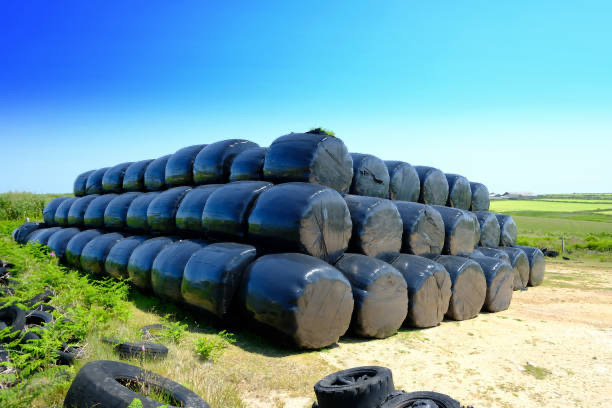
Silage plastic plays a crucial role in preserving fodder quality for Australian farmers, ensuring livestock nutrition through efficient feed storage. However, despite its agricultural benefits, silage plastic poses significant environmental challenges across Australia. As the nation continues to advance its farming practices, it is vital to address the environmental footprint of silage plastic usage, exploring innovative solutions that balance productivity with sustainability.
The Importance of Silage Plastic in Australian Agriculture
In Australia’s diverse agricultural landscape, silage plastic is indispensable. It protects harvested forage from oxygen and moisture, enabling anaerobic fermentation and preserving feed quality over extended periods. This preservation is essential in regions with seasonal variability, such as Queensland’s tropical climate or Victoria’s cooler conditions, where a consistent feed supply is critical for livestock health. With increasing demand for sustainable farming, silage plastic remains a cornerstone of modern fodder management, but it also brings environmental repercussions that require urgent attention.
Environmental Challenges Linked to Silage Plastic
1. Plastic Waste Accumulation
One of the most visible impacts of silage plastic in Australia is the generation of plastic waste. After use, silage plastic often becomes contaminated with organic matter, making recycling difficult. This results in large volumes of plastic being disposed of in landfills or, worse, illegally dumped in rural landscapes. Given Australia’s vast rural areas, improper disposal can lead to soil contamination and harm to native wildlife. Farmers, especially in remote regions, face logistical challenges in managing and transporting used plastic to recycling facilities, exacerbating the waste issue.
2. Microplastic Pollution
Breakdown of silage plastic into microplastics is a growing environmental concern. Over time, exposure to UV rays and mechanical damage can fragment silage plastic into tiny particles. These microplastics may infiltrate soils and waterways, threatening ecosystems and entering food chains. Research into microplastic contamination in agricultural environments across Australia is still emerging, but it signals a need for precautionary measures to minimise long-term soil and water degradation.
3. Carbon Footprint of Production and Disposal
The lifecycle of silage plastic—from production, transportation, use, to disposal—contributes to Australia’s agricultural carbon footprint. The manufacture of polyethylene films used in silage plastic relies heavily on fossil fuels. Additionally, energy consumption in recycling processes and landfill methane emissions from degrading plastics compound environmental costs. Addressing these carbon emissions is vital for Australia’s commitments to reduce greenhouse gases within the agricultural sector.
Innovative Solutions Driving Sustainable Silage Plastic Use
1. Improved Recycling Programs
Australia is seeing growing initiatives aimed at recycling agricultural plastics, including silage plastic. Programs supported by local governments and agricultural organisations encourage farmers to collect and return used plastic for recycling. For example, dedicated collection hubs in farming communities help streamline logistics and reduce illegal dumping. Innovations in cleaning technology are improving the recyclability of contaminated silage plastic, transforming waste into reusable materials for packaging and construction.
2. Biodegradable and Compostable Alternatives
Research and development into biodegradable silage plastic alternatives have accelerated in Australia. These materials, made from plant-based polymers, break down more rapidly in the environment, reducing landfill burden and microplastic risks. While still relatively expensive and with varying performance levels, ongoing trials across Australian farms are promising. Adoption of such alternatives could revolutionise sustainable feed preservation, especially in regions with established organic farming practices.
3. Silage Plastic Reduction and Reuse Strategies
Reducing silage plastic use is another practical approach. Innovations in bale wrapping techniques and silage pit design can minimise the amount of plastic required per ton of forage stored. Additionally, encouraging farmers to reuse plastic when feasible, through proper cleaning and storage, helps extend material life and reduce waste generation. Australian farming bodies increasingly promote best practice guidelines that integrate silage plastic reduction as part of broader sustainability goals.
4. Government and Industry Collaboration
Collaborative efforts between government agencies, agricultural bodies, and private sector stakeholders are essential for driving systemic change. The Australian government has introduced grants and funding for research on sustainable agricultural plastics, supporting projects focused on recycling infrastructure and alternative materials. Industry partnerships facilitate knowledge sharing and scaling of successful pilots, ensuring solutions reach diverse farming regions, from the wheat belts of Western Australia to cattle stations in the Northern Territory.
Looking Forward: Balancing Productivity with Environmental Stewardship
The environmental impact of silage plastic in Australia presents a complex challenge that intertwines agricultural productivity with ecological responsibility. With climate change pressures intensifying and sustainability becoming a core value among Australian farmers, addressing the lifecycle impacts of silage plastic is not optional—it is imperative.
By embracing innovative recycling, developing biodegradable options, and fostering collaborative frameworks, Australia can lead the way in transforming silage plastic usage into a more sustainable practice. These efforts will safeguard the health of Australian landscapes, protect native biodiversity, and contribute to a resilient agricultural future where productivity and environmental care go hand in hand.
In conclusion, silage plastic remains vital to Australian agriculture, but its environmental implications require urgent and innovative responses. Through technology, policy, and farmer engagement, Australia can effectively navigate these challenges, ensuring its farming sector thrives sustainably for generations to come.