Intervertebral disc disease (IVDD) is a common and serious condition affecting many dogs, especially breeds prone to spinal issues. When conservative care is insufficient, surgical intervention becomes a vital part of IVDD in dogs treatment. For pet owners in Portland, OR, understanding what happens after IVDD surgery is crucial to ensuring their furry companions make a full and speedy recovery. Post-surgical recovery is a critical phase that requires knowledge, patience, and dedication from caregivers to optimise healing and prevent complications.
Understanding IVDD Surgery and Its Purpose
IVDD surgery typically involves procedures like hemilaminectomy or ventral slot decompression to relieve pressure on the spinal cord caused by herniated discs. The goal is to restore mobility and reduce pain. While the surgery itself addresses the immediate spinal compression, the recovery phase determines the long-term success of treatment. Surgeons in Portland, OR, who specialise in veterinary neurology, emphasise the importance of a well-structured recovery plan tailored to the dog’s specific condition and needs.
Immediate Post-Operative Care: The First 48 Hours
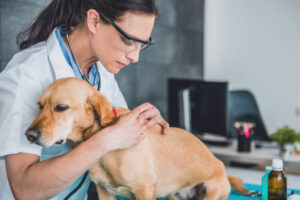
Right after surgery, your dog will be closely monitored in a veterinary hospital. The first 48 hours are critical. In Portland’s veterinary centres, patients receive pain management, fluid therapy, and supportive care to stabilise their condition. Pain control is a cornerstone of IVDD in dogs treatment, with medications adjusted based on your pet’s response.
Owners should expect that their dog may be groggy or weak during this time. Veterinary teams often recommend hospitalisation until the dog is stable enough to continue recovery at home. Early mobility might be restricted to prevent strain on the surgical site.
Managing Pain and Medications at Home
Once discharged, the pet owner becomes the primary caregiver. Effective pain management continues at home and is vital for your dog’s comfort and healing. Medications may include opioids, non-steroidal anti-inflammatory drugs (NSAIDs), or muscle relaxants prescribed by your Portland veterinarian.
It is essential to follow the medication schedule precisely and report any side effects or worsening symptoms promptly. Pain relief not only improves quality of life but also encourages gentle movement, which aids recovery.
Physical Restrictions and Mobility Control
One of the biggest challenges during post-surgical recovery after IVDD surgery is limiting your dog’s physical activity. In Portland, many pet owners struggle with keeping their dogs calm and confined, especially if they live in busy households or apartments.
Strict crate rest or confinement to a small area is generally advised for 4 to 6 weeks post-surgery. Jumping, running, and stair climbing must be avoided to prevent strain on the healing spine. Leashed, supervised bathroom breaks are permitted but kept short.
Using a harness instead of a collar can help reduce neck strain during these walks. This disciplined approach is often the difference between a smooth recovery and setbacks requiring additional treatment.
Physical Therapy and Rehabilitation
In Portland, there is growing awareness of the benefits of physical therapy as part of IVDD in dogs treatment. Once the initial healing phase passes, rehabilitation therapies can help restore strength, coordination, and mobility.
Hydrotherapy (water treadmill exercises), gentle massage, and controlled stretching are popular rehabilitation techniques offered by veterinary rehab specialists in the area. These therapies improve circulation and reduce muscle atrophy without stressing the spine.
Discussing a rehabilitation plan with your veterinarian or a certified canine rehabilitation therapist in Portland ensures a customised approach based on your dog’s recovery progress.
Monitoring for Complications
Post-surgical recovery demands vigilance. Owners should monitor for signs of complications such as swelling, discharge from the surgical site, worsening neurological symptoms, or changes in bladder and bowel control.
Any sudden loss of mobility, increased pain, or behavioural changes warrants immediate veterinary attention. In Portland, emergency veterinary services are well-equipped to handle these urgent situations and provide necessary interventions.
Nutrition and Weight Management
A balanced diet supports tissue repair and overall health during recovery. Overweight dogs face additional stress on their spines, which can hamper healing. Portland pet owners often seek guidance from veterinarians to optimise nutrition and manage weight during recovery.
Omega-3 fatty acids and other supplements may be recommended to reduce inflammation and promote healing, but only under veterinary supervision.
Emotional Support and Bonding
Recovery from IVDD surgery can be stressful for dogs, leading to anxiety or depression. Providing emotional support through gentle interaction, calm environments, and consistent routines helps ease their stress.
Portland dog owners often find success with enrichment activities suited to restricted mobility, such as puzzle feeders or gentle grooming. These activities maintain mental stimulation while physical activity is limited.
Conclusion: Commitment to Successful IVDD Recovery
IVDD in dogs treatment doesn’t end once surgery is complete. The post-surgical recovery period is a delicate, intensive process requiring attentive care, patience, and collaboration with your veterinary team. In Portland, OR, resources like veterinary neurologists, rehabilitation therapists, and emergency clinics provide comprehensive support to help your dog regain a high quality of life.
Understanding and adhering to post-surgical protocols dramatically improve outcomes, ensuring that your beloved pet can move comfortably and happily again. Your dedication during this recovery journey is the key to turning surgical intervention into long-term success.